
Introduction: More Than Just Prayer Tools
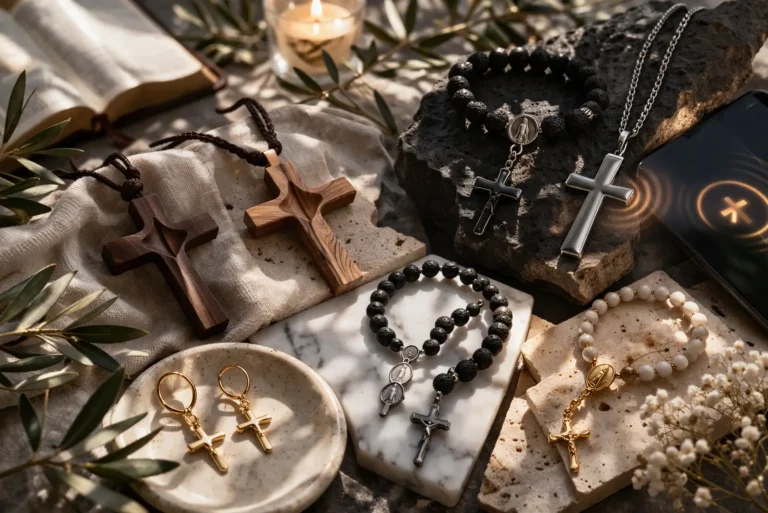
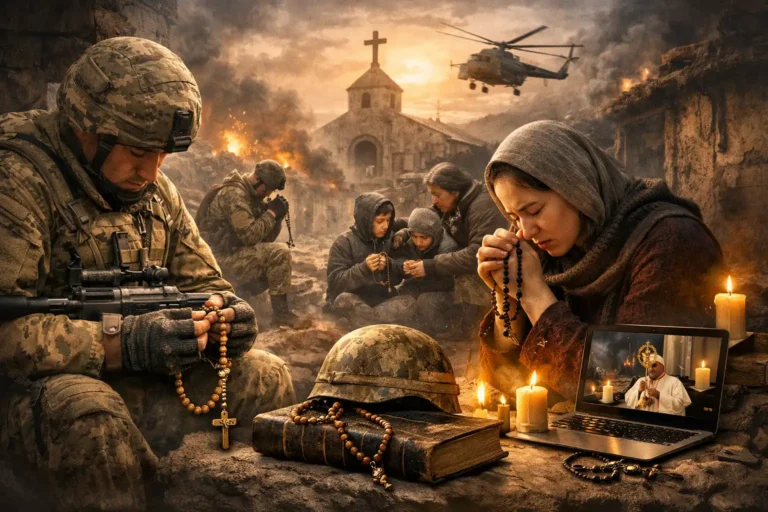
When people think of rosary beads, their first image is often a monk in a temple, a Catholic praying in church, or a quiet ritual of meditation. Yet rosary beads are far more than a spiritual accessory. They have a deep history across cultures, unique meanings attached to their materials, and even modern uses that go beyond faith. What’s more, many people enjoy simply handling and playing with beads—a practice that provides calm, focus, and even visible beauty as the beads develop a natural shine.
Origins: From Ancient Rituals to Everyday Life
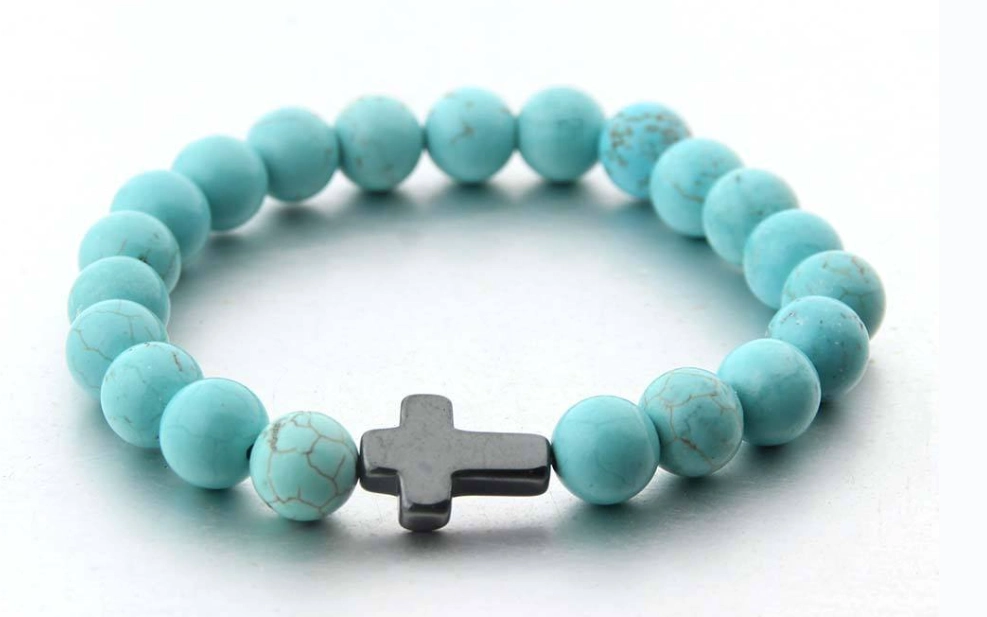
The use of beads as prayer or meditation tools dates back thousands of years. Archaeologists have discovered bead-like objects in India dating back to 500 B.C., thought to be among the earliest prayer beads (Harper, 2019). In Christianity, the Catholic rosary emerged around the 13th century, popularized by St. Dominic as a way to meditate on the life of Christ (Thurston, 1914/2009). Islamic prayer beads, or misbaha, were historically used to recite the 99 names of Allah.
Despite their different origins, rosary beads share a common purpose: to count prayers, focus the mind, and create rhythm in spiritual practice. Over time, their role expanded from temples and mosques to homes, pockets, and even the workplace.
The Art of Playing with Beads: From Ritual to Relaxation
One of the fascinating aspects of rosary beads is the variety of materials—each traditionally believed to carry its own meaning. In the past, many rosaries were made from precious woods, natural seeds, or gemstones:
- Wood (sandalwood, rosewood, ebony): Symbolizing purity, grounding, and tradition.
- Seeds (bodhi seeds, rudraksha): Associated with wisdom and enlightenment in Buddhist and Hindu culture.
- Crystals and gemstones (quartz, amethyst, jade): Often connected with healing energy, positivity, and prosperity (Hall, 2011).
- Amber and resin: Thought to represent vitality, warmth, and longevity.
- Metal or bone: Seen as symbols of strength, endurance, and ancestral ties.
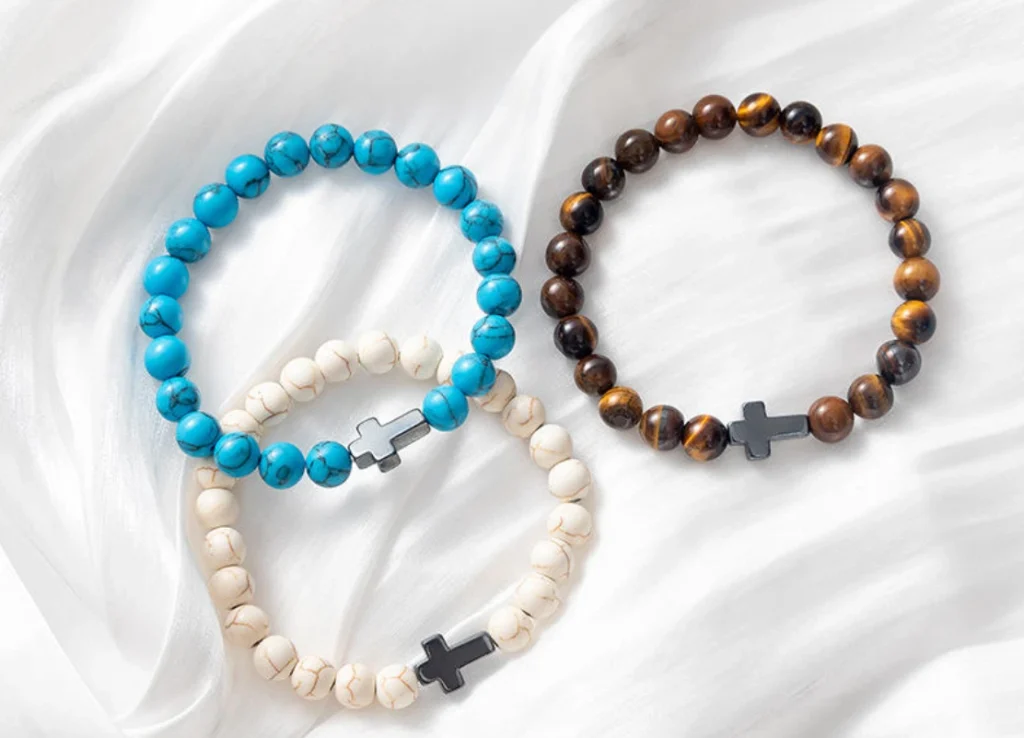
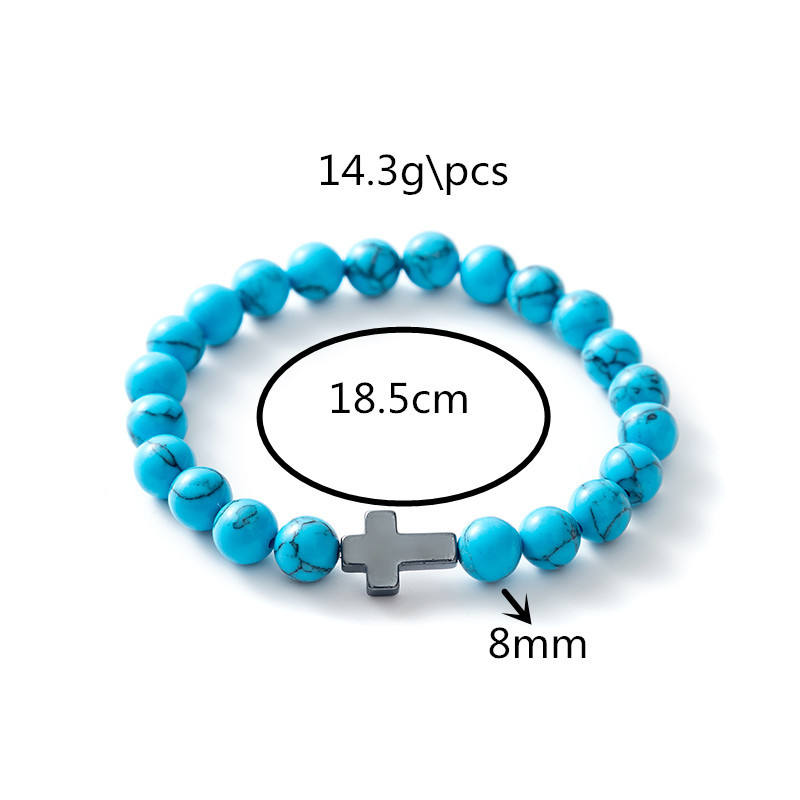
Today, however, rosary beads are no longer limited to expensive or rare materials. More and more people enjoy rosaries made with affordable options—such as synthetic resin, glass beads, or imitation wood. These alternatives are:
- Glass beads: Bright and polished, representing clarity and simplicity.
- Resin beads: Lightweight and durable, ideal for daily wear, symbolizing resilience and balance.
- Imitation wood or synthetic gemstones: Reproducing the look and meaning of traditional materials, while keeping rosaries budget-friendly.
This makes rosary beads accessible to everyone. Their true value does not depend on rarity or price, but on the sense of peace, rhythm, and symbolism they bring to daily life. Even a rosary that costs just a few dollars can carry deep meaning, offering comfort and a moment of calm whenever you need it.
Wealth and Prosperity: Can Rosary Beads Really Attract Money?
While rosary beads themselves don’t generate wealth, their symbolism and daily use may support habits that lead to prosperity. For example:
- Focus in Business: Sliding beads through your fingers before a decision can slow impulsive thinking.
- Confidence Boost: Wearing beads made of jade or citrine is thought to attract abundance (Hall, 2011).
- Mindful Spending: Rituals with beads foster discipline, which carries over to financial choices.
For Example: A rosary bracelet with 16 beads can symbolize progress and steady financial growth, resonating with people seeking stability in wealth.
Longevity and Health: The Wellness Connection
Scientific research links meditation and repetitive motion with reduced stress and better health (Goyal et al., 2014). Handling rosary beads during prayer or mindfulness exercises can:
- Lower blood pressure.
- Improve emotional balance.
- Encourage healthier routines.
For example, 19 to 21 beads are often associated with harmony and balance, making them ideal for those who wish to focus on health and long-term well-being.
Luck and Positive Energy: Symbolism in Numbers
In many cultures, rosary beads are linked with luck and protective powers. While older traditions emphasized fixed numbers (such as 108 or 33), modern rosary makers now design sets with playful, symbolic, or random numbers.
- 12 beads: A full cycle—like 12 months of the year.
- 13 beads: Turning “unlucky” into personal strength.
- 14 beads: Transition, growth, new stages.
- 15 beads: Mind-body-spirit balance.
- 16 beads: Achievement and progress.
- 17–18 beads: Vitality, courage, and youthful energy.
- 19–33 beads: Harmony, maturity, and personal strength.
These combinations show that rosary beads have evolved. Today, you can personalize your beads according to meaning, lifestyle, or simply aesthetic preference.
Everyday Happiness: Change Your Mood in Minutes
Here’s the practical part: rosary beads are also portable mood-boosters. Instead of scrolling endlessly on your phone, you can count or play with beads to:
- Calm nerves during stressful situations.
- Recenter your mind through rhythmic motion.
- Create moments of peace anytime, anywhere.
Studies on mindfulness tools suggest that tactile, repetitive activities help reduce anxiety (Keng, Smoski, & Robins, 2011). Rosary beads, therefore, serve as both spiritual anchors and modern stress-relief devices.
From Sacred to Stylish: The Modern Rosary Trend
Rosary beads are no longer just religious tools. They’ve crossed into lifestyle and fashion:
- Bracelets and necklaces: Minimalist designs appeal to young professionals.
- Meditation aids: Used widely in yoga and wellness communities.
- Collectors’ items: People enjoy unique designs, rare materials, and personalized sets.
The blending of faith, fashion, and mindfulness makes rosary beads versatile companions for modern life.
Small Beads, Big Meaning
So, can rosary beads guarantee wealth, longevity, and luck? Not literally. But they provide calm, confidence, structure, and positivity—qualities that support those very goals.
And remember: you don’t need 108 beads to benefit from them. A set of 12, 16, or 25 beads has its own charm, symbolism, and modern meaning. For just a few dollars, rosary beads offer more than tradition—they deliver peace of mind, personal expression, and perhaps, a little extra luck in your day.
Small Beads, Big Meaning
So, can rosary beads guarantee wealth, longevity, and luck? Not literally. But they provide calm, confidence, structure, and positivity—qualities that support those very goals.
And remember: you don’t need 108 beads to benefit from them. A set of 12, 16, or 25 beads has its own charm, symbolism, and modern meaning. For just a few dollars, rosary beads offer more than tradition—they deliver peace of mind, personal expression, and perhaps, a little extra luck in your day.
If you’d like to experience the meaning and comfort of rosary beads for yourself, feel free to explore our collection. You can choose your favorite designs in our store and contact us for delivery. Visit us here: religionrosary.com/product
FAQs
1. What is the meaning of rosary beads?
Rosary beads symbolize faith, protection, and inner peace. In modern life, they are also seen as tools for mindfulness, luck, and personal balance.
2. What is the difference between rosary beads and prayer beads?
Rosary beads are commonly used in Christianity, while prayer beads can be found across different faiths, including Buddhism, Hinduism, and Islam. Both serve the purpose of focus, meditation, and spiritual connection.
3. Can I wear rosary beads as a necklace or bracelet?
Yes. Rosary beads can be worn as necklaces or bracelets for both faith and style. Many people also use them as daily accessories to carry symbolic meaning and personal comfort.
4. Are cheap rosary beads effective?
Absolutely. Affordable rosary beads made from resin, glass, or synthetic materials still provide the same calming and symbolic benefits. Their value lies in the meaning they carry, not in the price.
References
- Goyal, M., Singh, S., Sibinga, E. M., Gould, N. F., Rowland-Seymour, A., Sharma, R., … & Haythornthwaite, J. A. (2014). Meditation programs for psychological stress and well-being: A systematic review and meta-analysis. JAMA Internal Medicine, 174(3), 357–368. https://doi.org/10.1001/jamainternmed.2013.13018
- Hall, J. (2011). The crystal bible: A definitive guide to crystals. London: Octopus Publishing.
- Harper, D. (2019). The history of prayer beads: A cross-cultural study. Journal of World Religions, 32(2), 145–162.
- Keng, S. L., Smoski, M. J., & Robins, C. J. (2011). Effects of mindfulness on psychological health: A review of empirical studies. Clinical Psychology Review, 31(6), 1041–1056. https://doi.org/10.1016/j.cpr.2011.04.006
- Pappas, N. (2021). Komboloi: The cultural history of Greek worry beads. Mediterranean Studies Journal, 29(1), 77–95.
- Thurston, H. (2009). The rosary. (Original work published 1914). New York: Cosimo Classics.