

For centuries, prayer beads have served as a bridge between the earthly and the divine. Whether it is the rosary in Christianity, the mala in Hinduism and Buddhism, or the misbaha (tasbih) in Islam, these beads are more than mere objects — they are tools that guide believers in prayer, meditation, and reflection. Interestingly, the concept of the Promised Land, especially in the context of Jerusalem and ancient Israel, has also been a central theme in religious history. Together, the idea of a sacred destination and the tactile ritual of using prayer beads reveal how deeply faith can shape human lives.
The Historical Roots of Prayer Beads
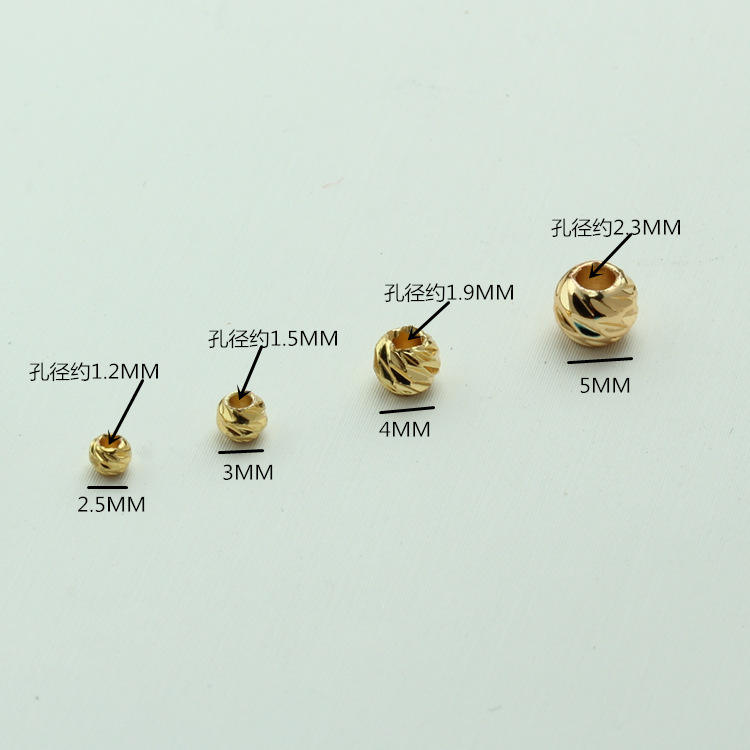
The use of beads in religious practice predates many of the organized faiths we know today. Early civilizations used simple strings of seeds, stones, or shells to count prayers, chants, or sacred verses.
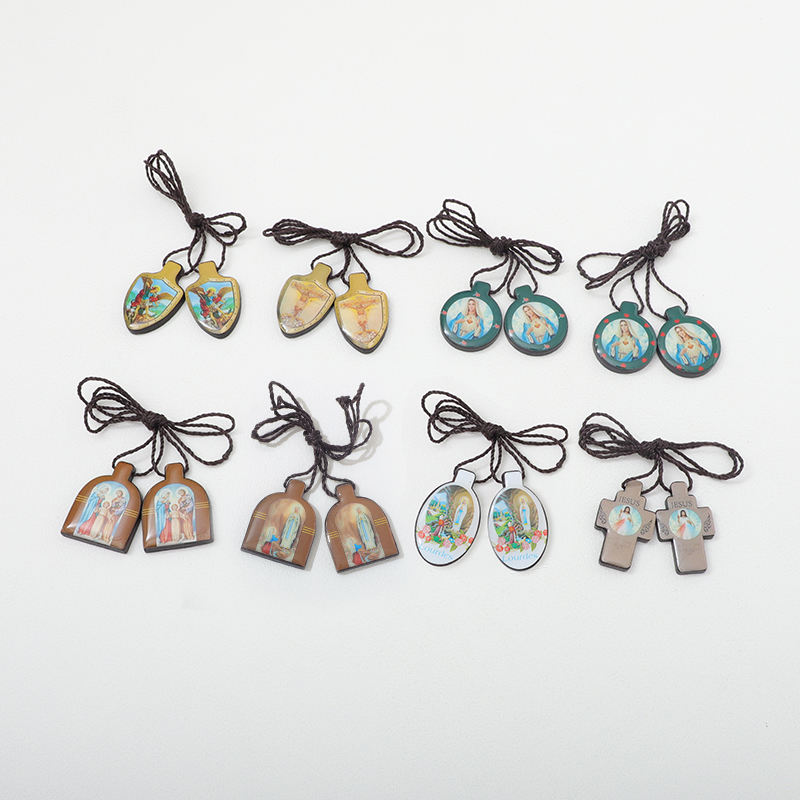
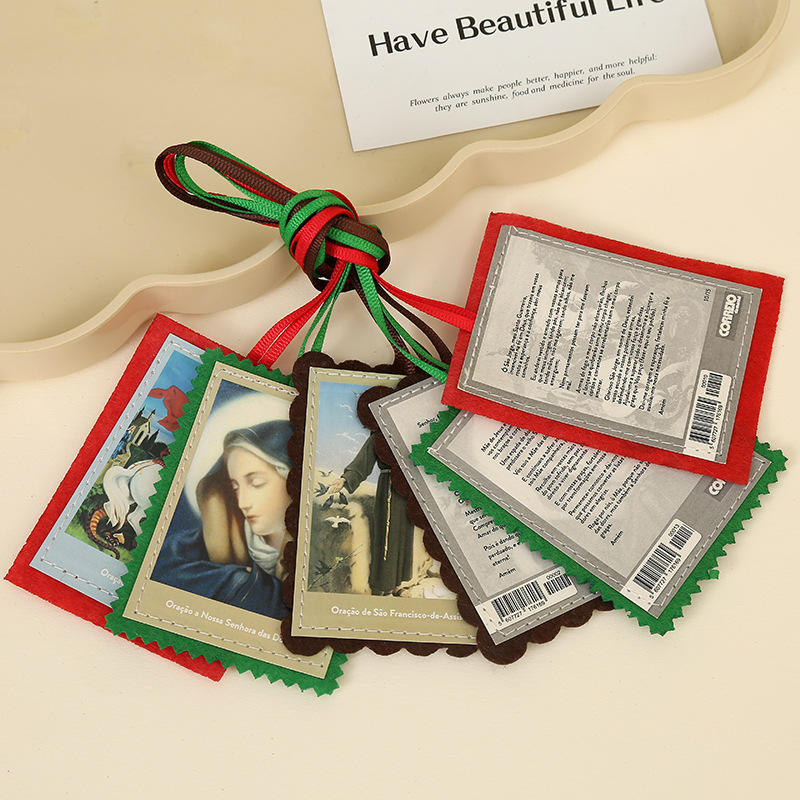
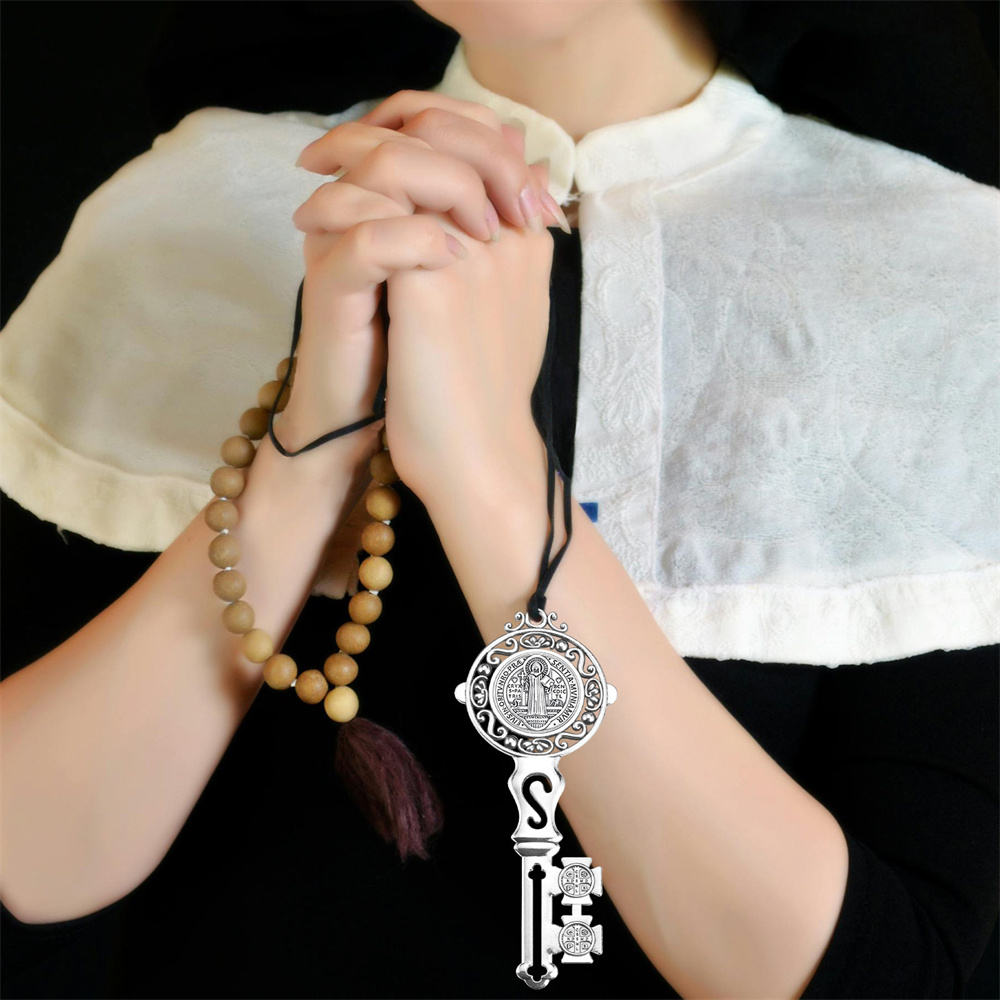
- Christianity: The rosary, most commonly associated with Catholicism, emerged in the Middle Ages as a way for the faithful to meditate on the life of Christ and the Virgin Mary.
- Islam: Muslims use the misbaha or tasbih, typically with 33 or 99 beads, to recite the names of Allah and repeat dhikr (remembrances of God).
- Buddhism and Hinduism: Mala beads, often made of sandalwood or seeds, have been used for centuries to help devotees keep track of mantras during meditation.
These practices, though rooted in different traditions, all serve a common purpose: to focus the mind, foster spiritual discipline, and bring the believer closer to the divine.
The Promised Land and Its Spiritual Symbolism
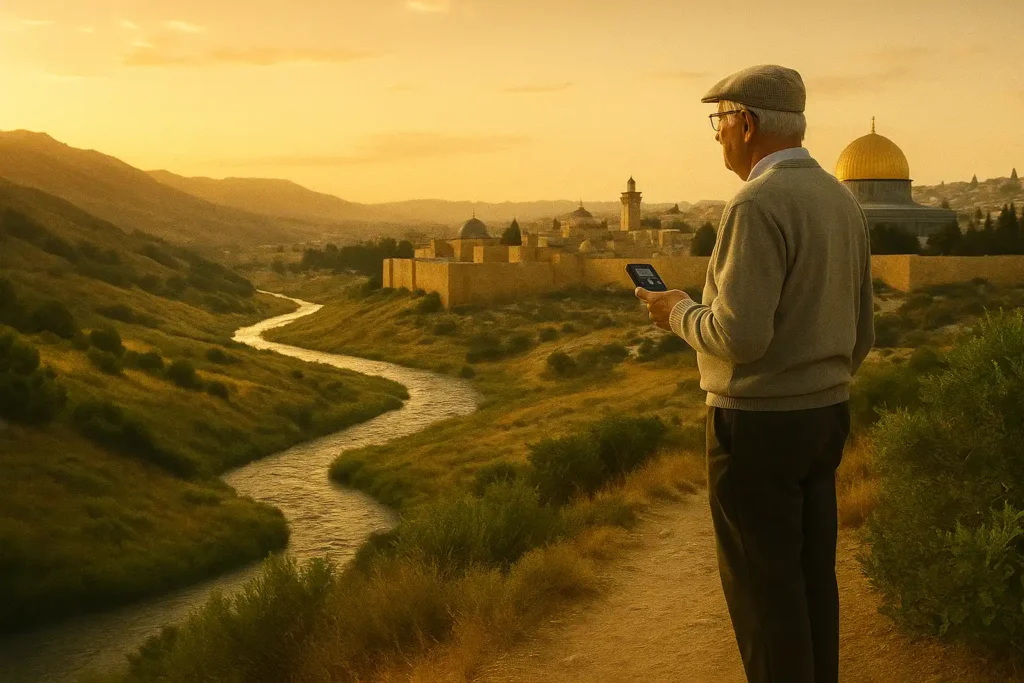
The Promised Land, a term often referring to the land promised by God to Abraham and his descendants in the Hebrew Bible, represents hope, fulfillment, and divine covenant. For Jews and Christians, Jerusalem and the surrounding regions carry profound religious significance. In Islam, Jerusalem is also revered as the site of the Prophet Muhammad’s Night Journey.
The longing for the Promised Land is not merely geographical. It symbolizes a spiritual journey — the pursuit of a place or state where believers feel united with the divine, at peace, and faithful to their covenant.
Prayer Beads as Companions on the Pilgrim’s Journey
Historically, pilgrims traveling to sacred sites such as Jerusalem, Mecca, or Varanasi often carried prayer beads as constant companions. These beads served both practical and symbolic purposes:
- Guided Devotion: Pilgrims used beads to recite prayers while walking long distances, often in challenging conditions.
- Spiritual Focus: The repetitive movement of the fingers over the beads helped travelers remain mindful and spiritually centered, even amid fatigue.
- Connection to the Sacred: For many, carrying beads symbolized carrying a piece of their faith with them — a reminder that the journey was both physical and spiritual.
In this sense, prayer beads became more than tools; they became silent witnesses to the pilgrim’s devotion and hope for reaching their own “Promised Land.”
The Unseen Thread Between Beads and the Promised Land
What links prayer beads and the Promised Land is the idea of progress through repetition and devotion. Just as each bead represents a step in prayer or meditation, every mile walked toward Jerusalem or Mecca was seen as a step closer to spiritual fulfillment.
This connection reminds us that faith is often a journey of small, deliberate acts. Counting beads in prayer mirrors the counting of steps taken in pilgrimage — both lead believers closer to their spiritual destination.
The Enduring Role of Prayer Beads in Modern Faith
Today, while many people travel virtually to sacred sites or use apps to guide their prayers, the tactile presence of prayer beads remains deeply meaningful. They provide a sense of continuity with centuries of tradition and a physical reminder that faith is grounded in daily practice.
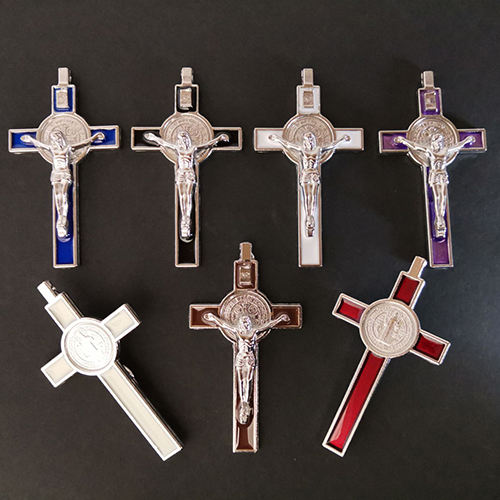
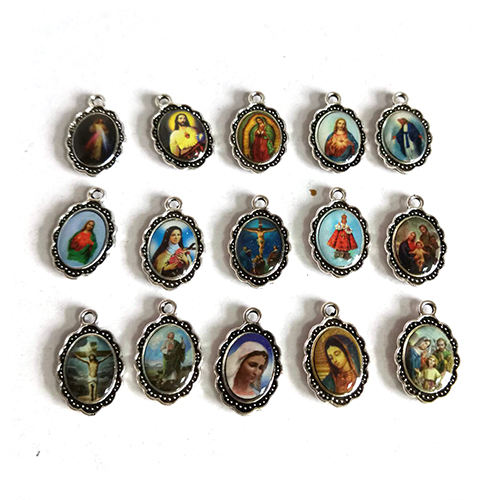
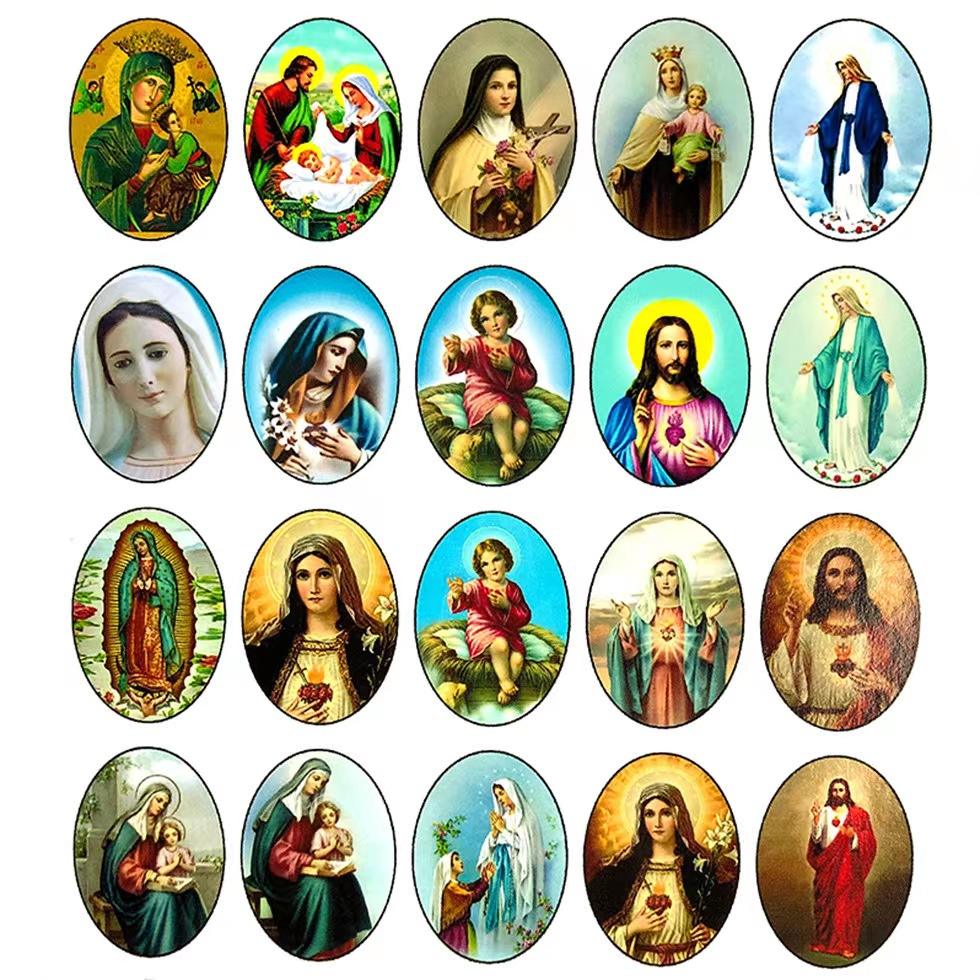
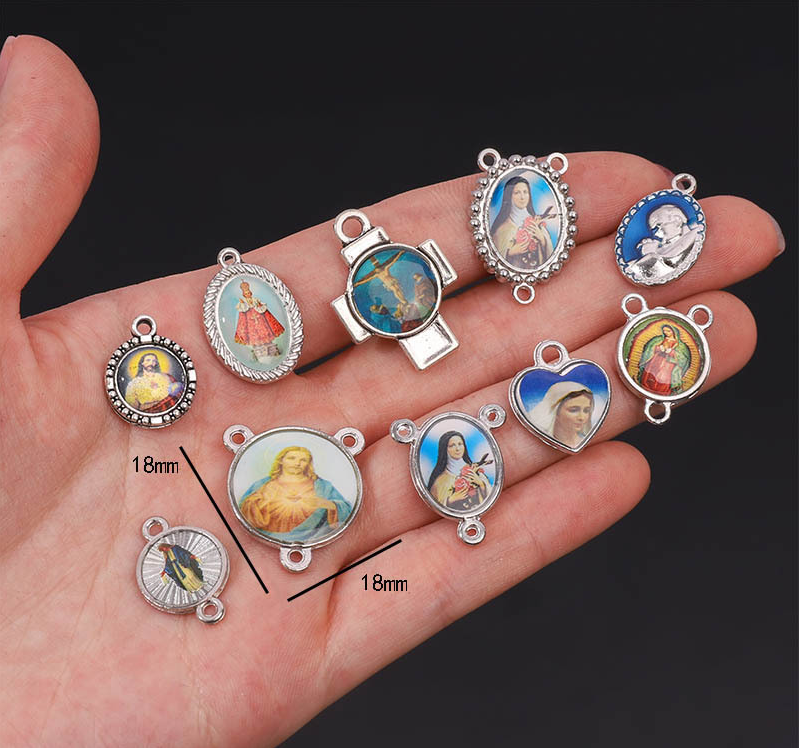
Websites like ReligionRosary.com continue to offer quality prayer beads to believers worldwide, honoring this timeless connection between spiritual devotion and sacred journeys.

Conclusion: A Journey That Unites Humanity
The story of prayer beads and the Promised Land is, at its heart, the story of humanity’s search for meaning, peace, and divine connection. From ancient pilgrims walking desert paths to modern believers finding solace in quiet prayer, the beads remind us that every step, every prayer, is part of a greater journey.
Whether in Jerusalem, Mecca, Varanasi, or in the quiet corner of one’s home, the humble prayer bead links people across cultures and faiths — all walking, in their own way, toward their Promised Land.