

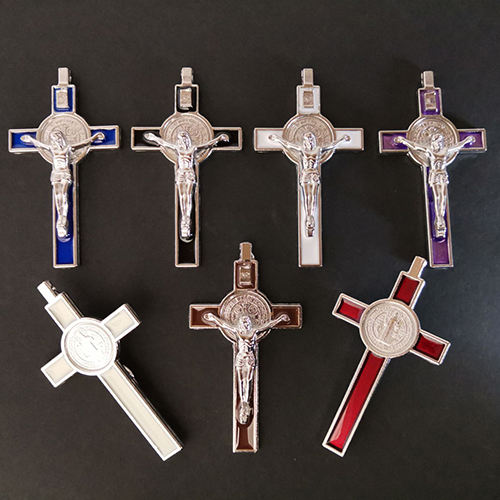
Today, the cross is one of the most recognizable symbols in the world. Millions wear it as a necklace, pin, or bracelet—some as a fashion statement, others as a profound declaration of faith. But how did this practice begin? Was the cross always a symbol of Christianity? And why do believers wear it close to their hearts?
In this article, we explore the historical roots, theological meaning, and cultural evolution of wearing the cross—from its origins as an instrument of execution to its transformation into a sacred emblem of hope and redemption.
1. The Cross Before Christianity: A Symbol of Shame
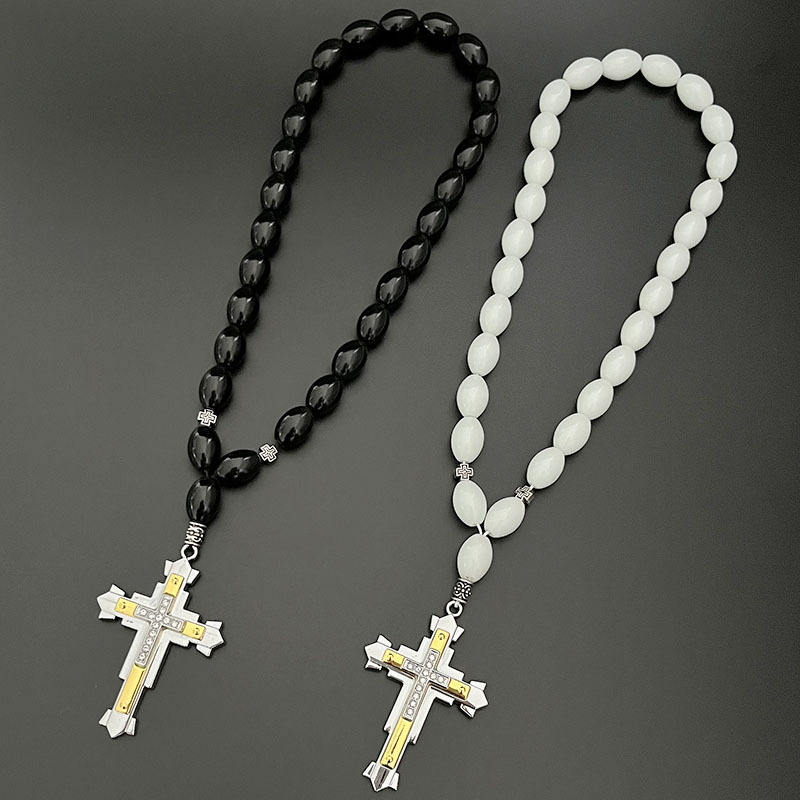
Contrary to popular belief, the cross was not originally a Christian symbol.
In the Roman Empire (1st century CE), crucifixion was a brutal method of execution reserved for slaves, rebels, and criminals. The cross (crux in Latin) represented humiliation, suffering, and state power—not holiness.
Early Christians avoided depicting the cross for nearly 300 years. They used symbols like the fish (ichthys), the anchor, or the Good Shepherd to express their faith discreetly during periods of persecution.
📌 Expert Insight: The earliest known depiction of Jesus on the cross appears only in the 5th century CE—in the Rabbula Gospels, a Syriac manuscript. Before that, the cross was too closely associated with torture to be venerated openly.
2. The Turning Point: Constantine and the “Discovery” of the True Cross
The shift began in the early 4th century with Emperor Constantine the Great.
According to church historian Eusebius, before the Battle of the Milvian Bridge (312 CE), Constantine saw a vision: “In hoc signo vinces” (“In this sign, you shall conquer”). He ordered his soldiers to paint the Chi-Rho (☧)—the first two letters of “Christ” in Greek—on their shields. He won the battle and later legalized Christianity with the Edict of Milan (313 CE).
Then came a pivotal event: around 326 CE, Constantine’s mother, Empress Helena, traveled to Jerusalem and claimed to have discovered the True Cross—the actual wood on which Jesus was crucified. Fragments of this relic were distributed across the empire, and churches were built to house them.
This “discovery” transformed the cross from a symbol of shame into a sacred object of veneration—and soon, a personal devotional item.
3. When Did Christians Start Wearing the Cross?
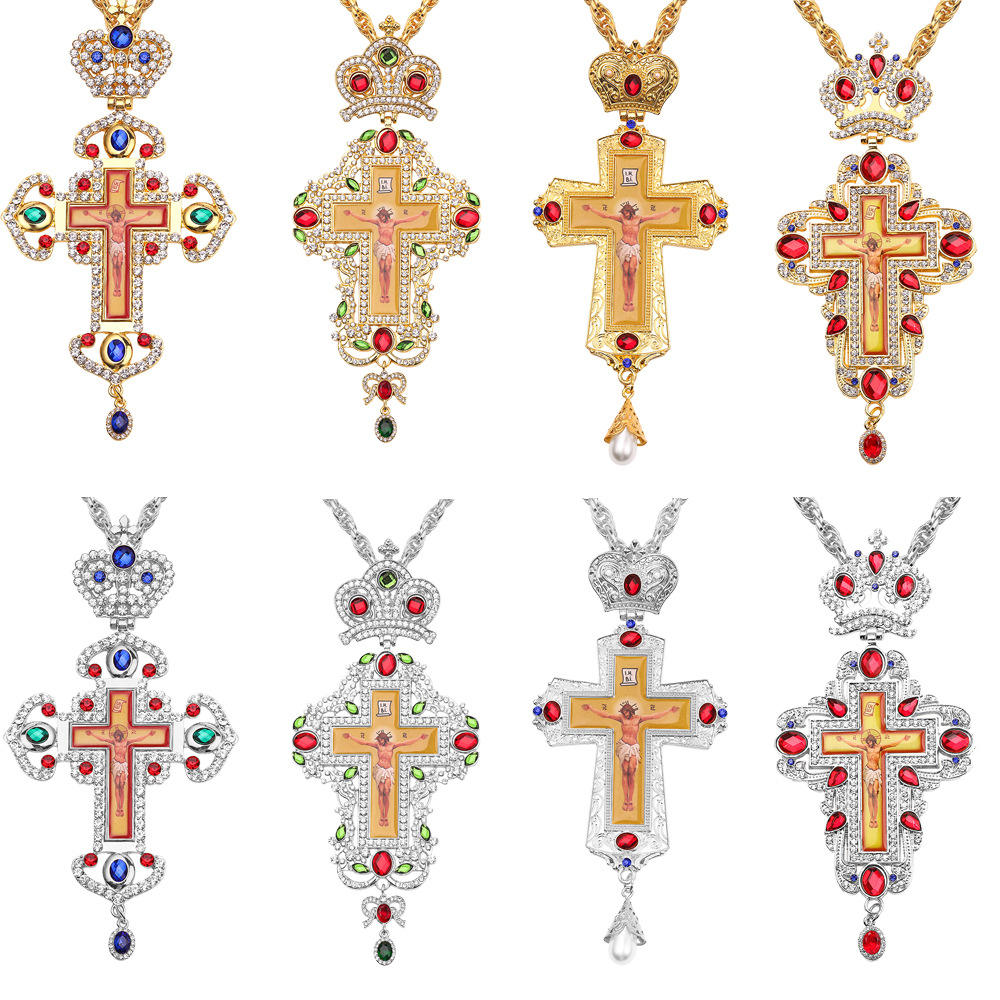
While relics were enshrined in altars, personal cross pendants emerged gradually:
- 4th–6th centuries: Small gold or bronze crosses appear in archaeological finds, especially in Byzantine and Coptic Christian communities. These were often worn by clergy or elite believers as protective amulets and signs of devotion.
- Middle Ages (8th–12th centuries): Wearing crosses became more common among laypeople. Pilgrims returning from Jerusalem often brought back cross-shaped souvenirs.
- Reformation Era (16th century): Protestants emphasized the empty cross (without Christ’s body) as a symbol of resurrection, while Catholics retained the crucifix (with corpus) to honor Christ’s sacrifice.
By the 19th century, mass production made cross jewelry accessible to all—and the practice became widespread across denominations.
4. Symbolism: Why Wear a Cross Today?
For believers, wearing a cross is far more than tradition. It carries deep spiritual meaning:
- Remembrance: “We proclaim the Lord’s death until He comes” (1 Corinthians 11:26).
- Identity: A public declaration of faith in Christ.
- Protection: Many view it as a spiritual shield against evil (rooted in early Christian apotropaic beliefs).
- Hope: The cross points to resurrection—suffering is not the end.
💡 From Experience: In our work restoring antique devotional jewelry, we’ve seen crosses inscribed with prayers, relics sealed inside, or engraved with names of saints—each telling a personal story of faith.
5. Types of Crosses and Their Meanings
Not all crosses are the same. Here are common styles and their origins:
| Type | Origin & Meaning |
|---|---|
| Latin Cross | The most common form—vertical beam longer than horizontal. Represents Christ’s crucifixion. |
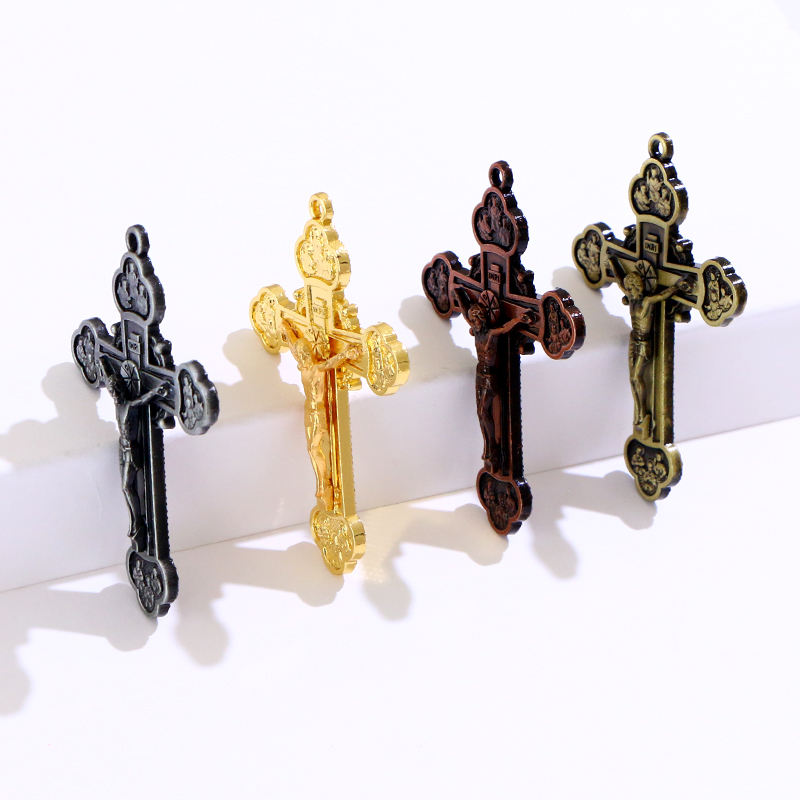
| Crucifix | Latin cross with the body of Jesus (corpus). Emphasizes sacrifice; common in Catholic, Orthodox, and Anglican traditions. |
| Greek Cross | All arms equal length. Symbolizes the four Gospels or the spread of faith to the four corners of the earth. |
| Celtic Cross | Latin cross with a circle (representing eternity or the sun). Merges Christian and pre-Christian Celtic symbolism. |
| Orthodox Cross | Three bars: top (INRI inscription), middle (arms), slanted bottom (footrest). Reflects Eastern theological tradition. |
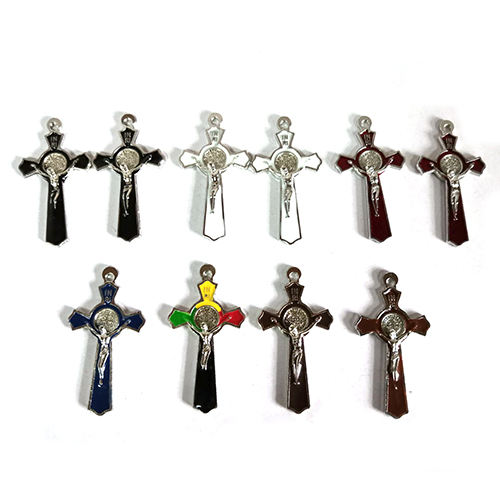
6. Frequently Asked Questions (FAQ)
Q1: Is it disrespectful to wear a cross if you’re not religious?
A: Many Christians appreciate the cross as a sacred symbol, not mere decoration. If worn out of respect or cultural heritage, it’s generally acceptable—but avoid using it flippantly (e.g., as a fashion trend without understanding its meaning).
Q2: Should the cross have Jesus on it (crucifix) or be empty?
A: Both are valid.
- Catholics and Orthodox often prefer the crucifix to meditate on Christ’s suffering.
- Protestants typically wear an empty cross to emphasize the resurrection.
Q3: Can I wear a cross with other religious symbols?
A: While personal expression is respected, combining sacred symbols (e.g., cross + Buddha) can unintentionally dilute their theological meaning. Consider your intent and audience.
Q4: Is there a “right” way to wear a cross?
A: Traditionally, it’s worn close to the heart, often under clothing as a private devotion. In some Orthodox traditions, it’s never removed—even while bathing.
Q5: Are there biblical commands to wear a cross?
A: No direct command exists. The practice developed through tradition, devotion, and cultural expression—not scriptural mandate.
7. References (APA Style)
- Eusebius of Caesarea. (1999). Life of Constantine (A. Cameron & S. G. Hall, Trans.). Oxford University Press. (Original work published ca. 337 CE)
- Jensen, R. M. (2000). Understanding early Christian art. Routledge.
- Murray, S. (2009). The cross: History, art, and controversy. Harvard University Press.
- Pelikan, J. (1974). Mary through the centuries: Her place in the history of culture. Yale University Press.
- Snyder, G. F. (1985). Ante pacem: Archaeological evidence of church life before Constantine. Mercer University Press.
About Us
At ReligionRosary.com, we’ve studied sacred jewelry across Christianity, Buddhism, Islam, Hinduism, and more since 2012. All our crosses are true symbols of faith, hope, and divine protection. Our team includes theologians, historians, and master jewelers who ensure every article is accurate, respectful, and deeply informed.